
One of the most common questions in casting: should I use polyurethane or silicone? Both are two-component systems, but they suit different jobs. In short: silicone is mostly for the mold, polyurethane is mostly for the part.
Silicone: flexible, durable molds
- High flexibility and tear resistance — releases parts easily from complex geometries.
- Sticks to almost nothing; usually no release agent needed.
- Heat-resistant grades available.
- Generally more expensive than polyurethane.
Polyurethane: strong, functional parts
- Wide hardness (shore) range from rigid to flexible — ideal for functional prototypes and parts.
- High mechanical strength and wear resistance.
- More economical; cost advantage in batch part casting.
- Sensitive to moisture and ratio; consistent mixing matters.
When to choose which
If you're making a mold and want to preserve the master, the usual combo is a silicone mold + polyurethane cast: pour polyurethane into the silicone mold to produce many durable copies. If you're making functional parts (gears, housings, jigs, prototypes), polyurethane stands out.
Typical workflow: silicone mold + polyurethane cast
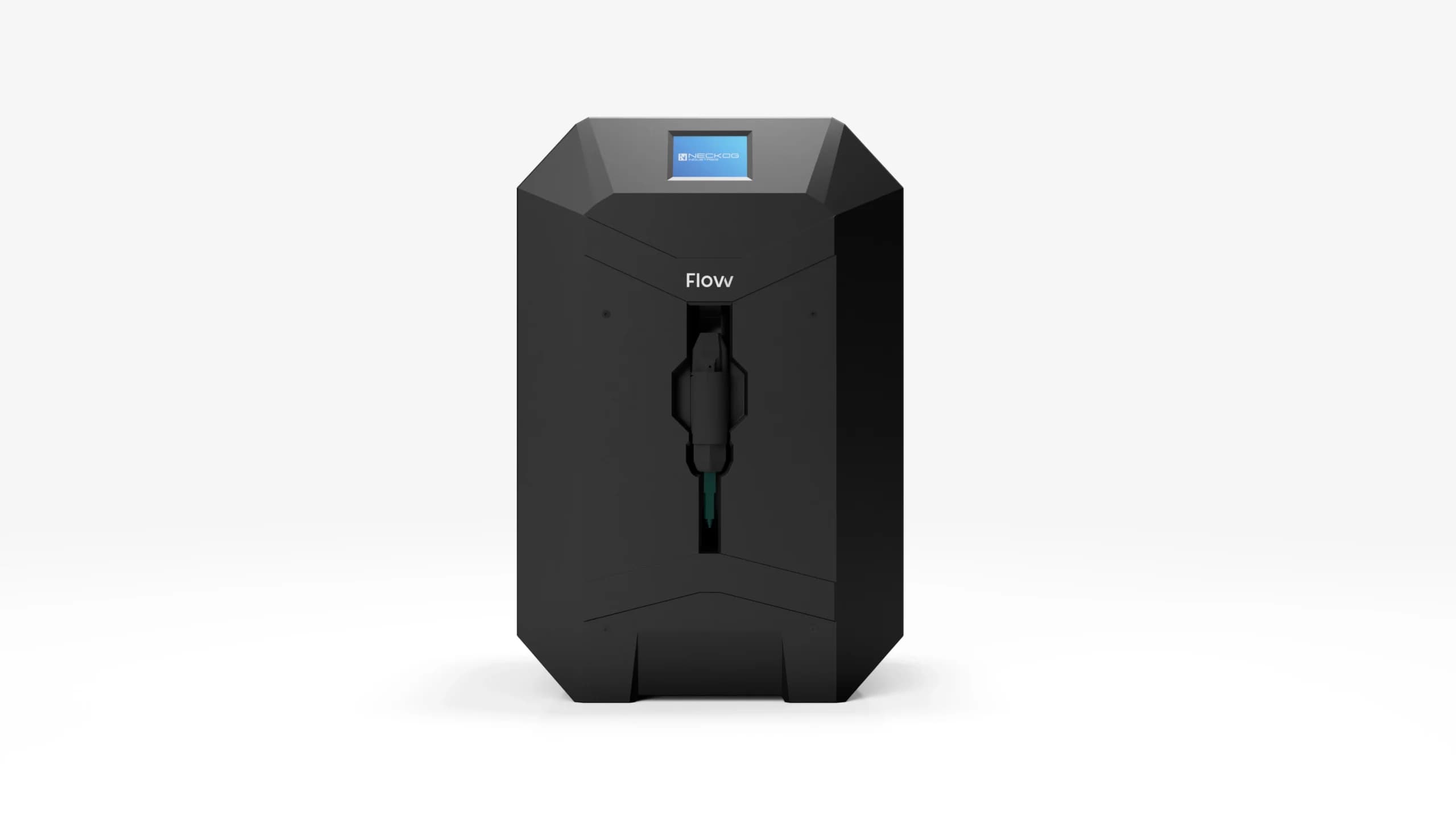
The common method is to make a silicone mold to preserve the master, then cast polyurethane (or resin) into it to produce many durable copies. Flovv handles the casting side of this flow: it casts polyurethane and resin at a precise A:B ratio, with far fewer bubbles than hand mixing and repeatable results. (The silicone mold itself is prepared separately; Flovv does not dispense silicone.)
Contact us to choose the right hardness and material for your application.