
Resources & Guides
Practical guides on casting, molding and dispensing — for prototyping and low-volume production.
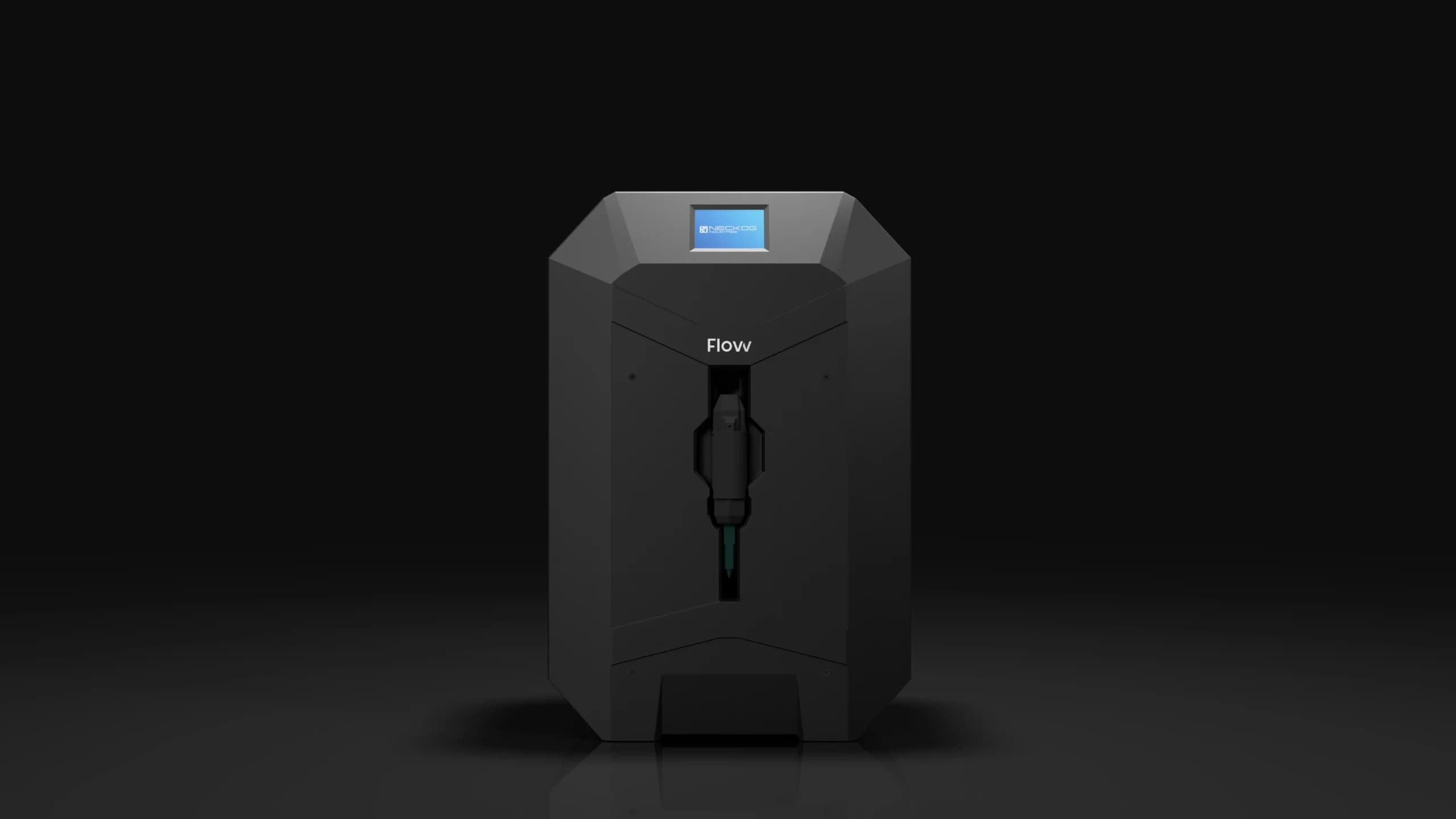
New Firmware: Rock-Solid Purges and Automatic ISO Protection
A new Flovv firmware release resolves the two most-reported purge issues: purges now complete reliably on every machine, and the tank automatically pulls down to vacuum after each spray — so your ISO is never left exposed. Recommended for every Flovv and Flovv-e.
MoldLab Is Now Free for Every Flovv Owner
It's live: every Flovv owner now gets full access to MoldLab — no subscription, no per-mold fee, no request needed. Log in with the e-mail you ordered with and it unlocks automatically.
MoldLab for Flovv Owners: We're Trying to Make It Free
We want every Flovv owner to be able to use MoldLab, our proprietary file-to-mold software — for free. Here's how to request access, and an honest note about why it's not a promise yet.
MoldLab grows up: mold every part in your assembly, place the funnel where you want it
Flovv MoldLab now molds every body in an assembly as its own printed mold, lets you place the pour funnel and your own air vents where you want them (even after the build — move them and rebuild), shows your place in the queue, and lets you cancel anytime. Plus: composite tooling up to 5 m for the big stuff.
Introducing Flovv MoldLab: From 3D File to Mold — Printed, Silicone, or CNC Aluminum
Upload a STEP or STL file and Flovv MoldLab generates a ready-to-use mold automatically — as a printed mold, a silicone kit, or, new today, professional aluminum CNC injection tooling. Here's how it works and what each process is for.
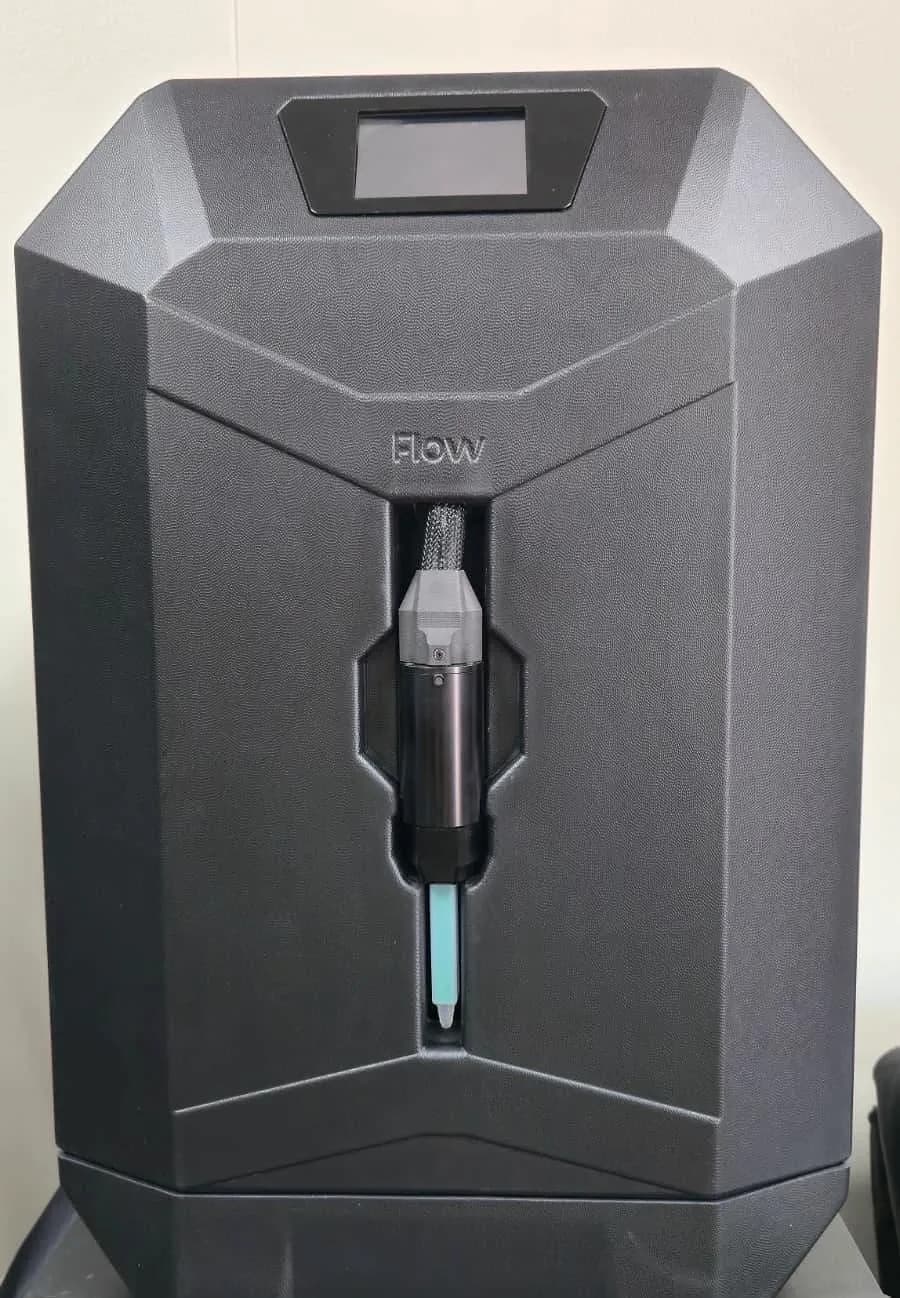
Development Update – Expanding Material Compatibility
A major firmware update and a redesigned touchscreen interface are in development, adding advanced material controls that expand the range of two-part systems Flovv can be tuned for. Here's what's coming — and how the update will roll out.
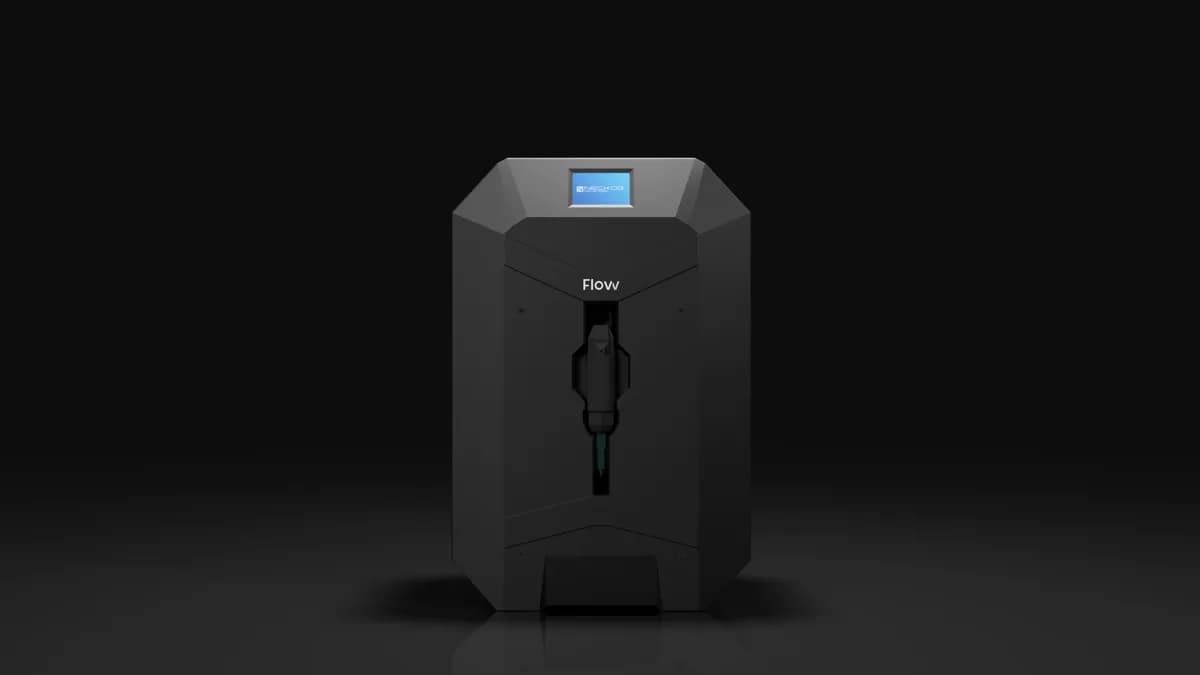
Vacuum Casting Alternative: Low-Pressure Two-Part Dispensing for Low-Volume Parts
Vacuum casting is the standard for low-volume polyurethane parts — but the chamber, degassing, and tooling add cost. Here's where low-pressure two-part dispensing can cover the same ground, and where it can't.
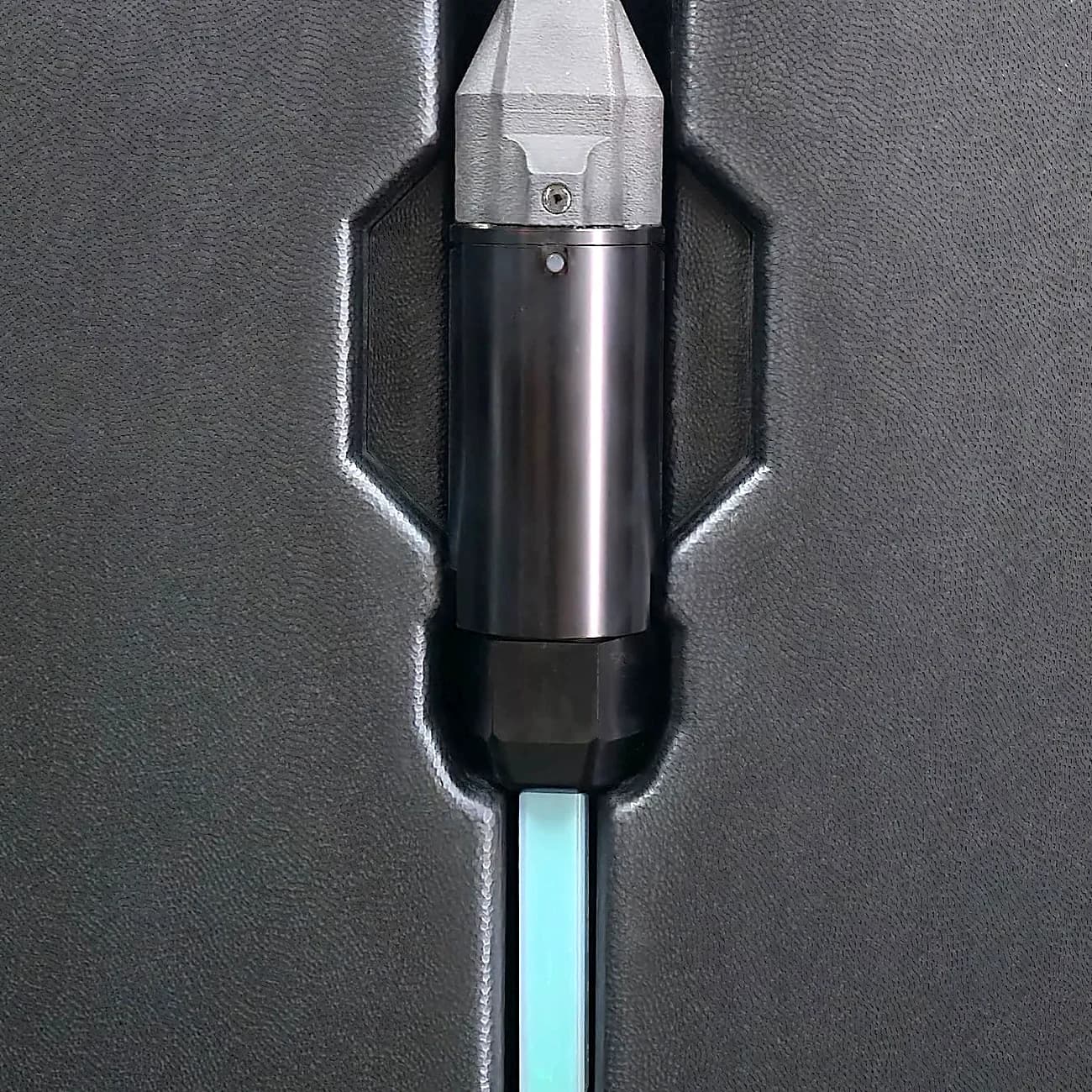
Two-Part A:B Dispensing Explained: Ratio, Mixing, and Why They Matter
Most casting resins, polyurethanes, and silicones come as two parts that only cure once combined. Here's how A:B dispensing works — the ratio, the mix, and the static nozzle that ties them together.
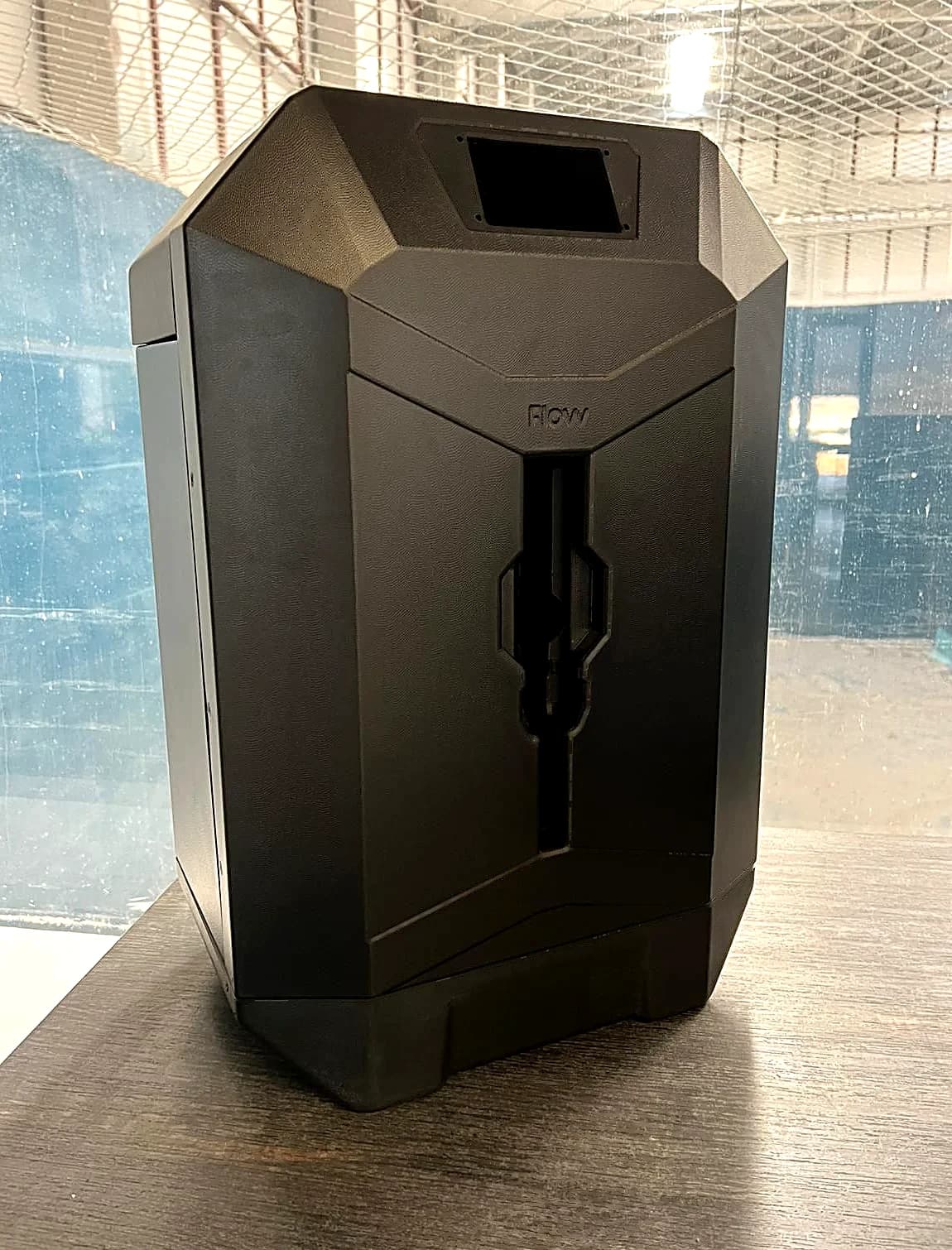
Small-Batch Resin Casting: Throughput, Cost per Part, and Consistency
Past one-off prototypes, small-batch casting becomes a process question. Here's how to think about throughput, the real cost per part, and part-to-part consistency on a production run.
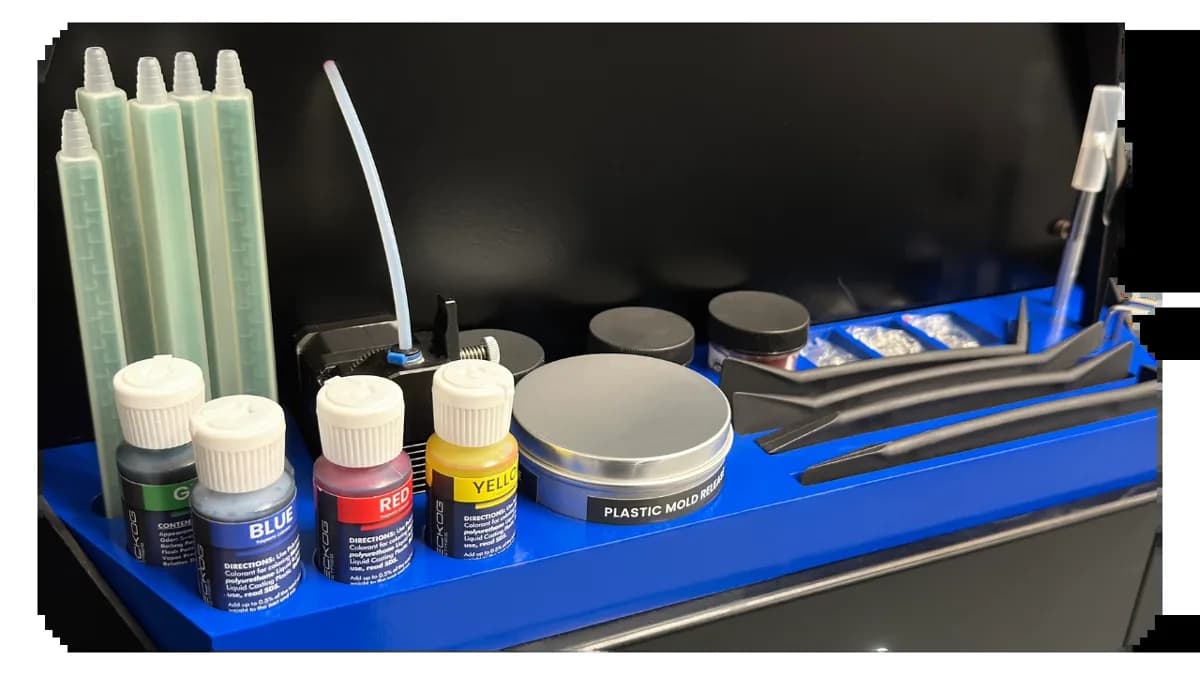
Automated vs. Manual Resin Casting: When to Upgrade From Cups and Scales
Hand mixing two-part resin works — until you need the same result every time. Here's where manual casting is still the right call, and the signals that it's time to automate.
A Future Flovv Update Is Coming: Silicone & Epoxy Capabilities
Flovv casts polyurethane and resin today. A future Flovv update we're developing will bring silicone and epoxy capabilities into one system too. Here's what's coming.
Polyurethane Casting Guide: Methods, Machines and Getting Started
A complete guide to how polyurethane casting works, the available methods, and how to choose the right equipment for prototyping and low-volume production.
How to Cast Polyurethane: A Step-by-Step Process
A practical walkthrough — preparation, mix ratio, pouring and curing — for bubble-reduced, homogeneous and repeatable polyurethane casts.
Polyurethane vs Silicone: Choosing the Right Casting Material
The differences between polyurethane and silicone casting materials — strength, flexibility, cost — and when to choose each for your application.