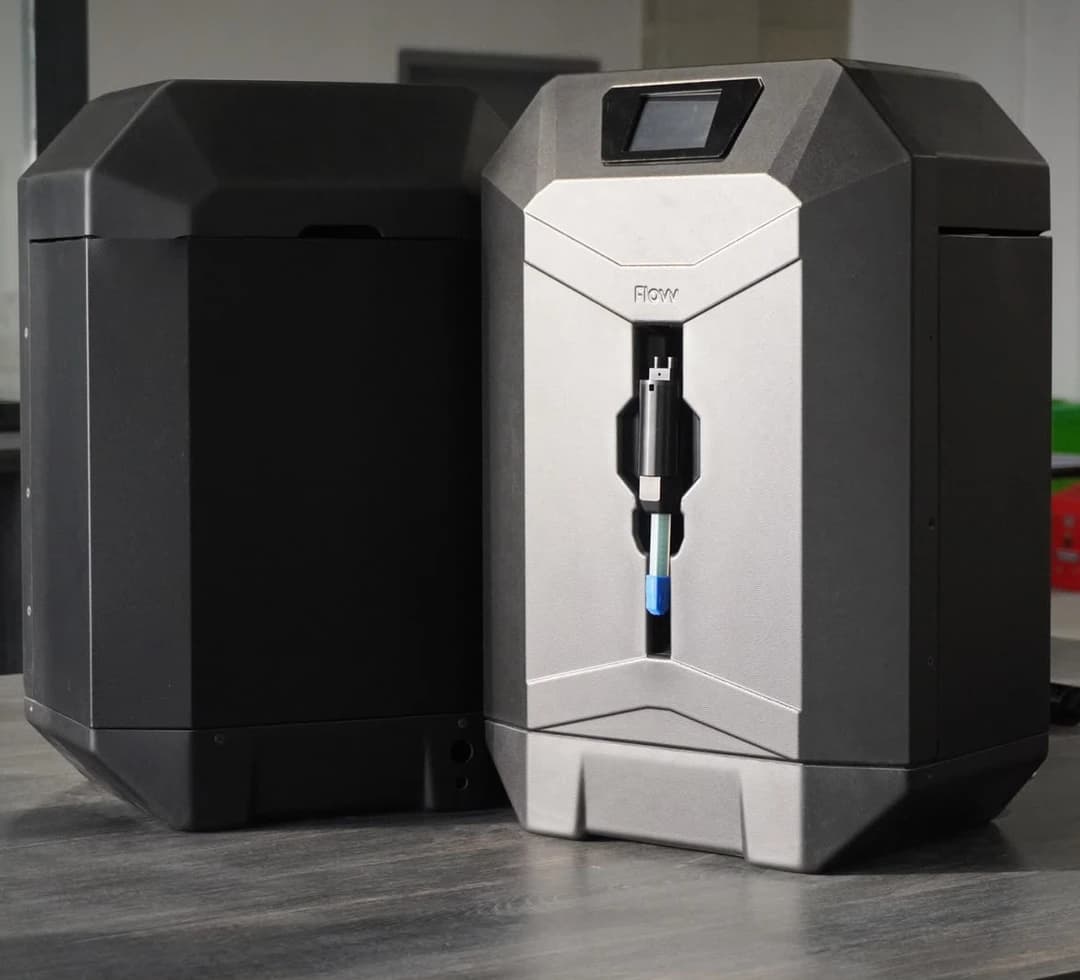
Most casting resins, polyurethanes, and silicones come as two parts — commonly labeled A and B — that only begin to cure once they're combined. A good cast comes down to two things: combining them at the correct ratio, and mixing them thoroughly before the material sets. This guide explains how two-part (A:B) dispensing works and why the ratio and the mix matter so much.
Why two parts?
In a two-part system, Part A and Part B carry the reactive chemistry separately, so the material stays liquid and storable. Combine them and a curing reaction begins, turning the mix from liquid to solid. The window where it stays pourable is the pot life — the material has to reach the mold within it.
The ratio: A:B
Every system has a fixed ratio — 1A:1B, 2A:1B, 10A:1B, by weight or by volume, as stated on the product's data sheet. The ratio isn't a suggestion: off-ratio mixing is the most common cause of parts that stay sticky, cure soft, or never fully set. Hand mixing relies on weighing each part carefully; a metering system holds the ratio automatically on every shot.
The mix: homogeneous, with as little air as possible
Even at the right ratio, an incompletely blended mix cures unevenly — streaks, soft spots, surface tack. The catch is that thorough hand stirring also folds in air, which shows up as bubbles. That tension is what static mixing nozzles are built to resolve.
How a static mixing nozzle works
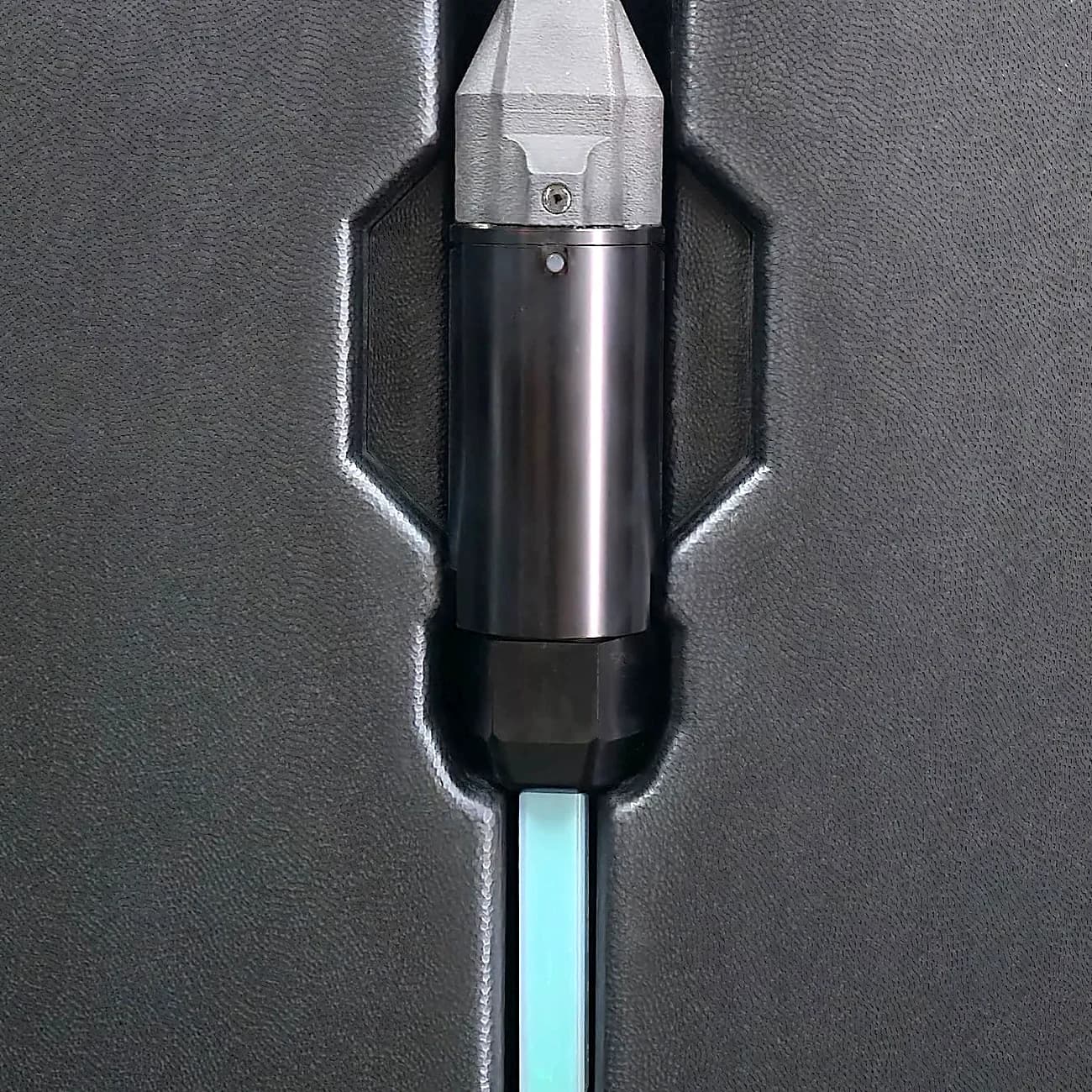
A static (or "motionless") mixing nozzle is a disposable tube with a series of fixed helical elements inside. As the two parts are pushed through, the elements repeatedly split and fold the streams together, so the material exits homogeneously blended — without the whipping action of a stir stick that introduces air. A dispensing machine like Flovv pairs metering (for the ratio) with a static nozzle (for the mix), so each cast gets the same ratio and the same blend.
Practical tips for A:B work
- Follow the data-sheet ratio exactly — by weight or by volume as specified, not interchangeably.
- Bring both parts to the recommended temperature; cold material changes viscosity and pot life.
- Respect the pot life — once mixed, the clock is running.
- Replace the static nozzle when the mix inside cures, or when you switch material or color.
FAQ
What happens if the A:B ratio is off?
The part can stay sticky, cure soft, or fail to fully harden. Accurate metering — by careful weighing or a metering machine — is the fix.
Do static mixing nozzles remove bubbles?
They introduce far less air than hand stirring, so they help reduce bubbles. Bubble-critical clear or deep-pour parts may still need vacuum.
Can one nozzle be reused?
You can run consecutive casts with the same nozzle; replace it once the mix inside cures or when you switch material or color.
More: two-part resin dispensing, how to cast polyurethane, and the polyurethane casting guide.