
Polyurethane casting turns two liquid components (Part A and Part B) into a solid part by mixing them at a fixed ratio and pouring them into a mold. It is used for prototyping, low-volume production, jewelry and art, architectural models, and tooling and fixtures. This guide covers how casting works, the main methods, and — the part most buyers actually need — how to choose the right equipment.
How polyurethane casting works
The moment Part A and Part B mix, a chemical reaction (curing) begins. The window in which the mix stays fluid is the pot life; the material must reach the mold within it. Three things decide the quality of the final part: the correct A:B ratio, a homogeneous mix, and getting air out before it cures.
The main casting methods
- Hand mixing: lowest cost, least consistent. Ratio errors, bubbles, and waste are higher, and results vary cup to cup.
- Static-mix dispensing (low-pressure): a machine meters A and B at a fixed ratio and blends them in a disposable static nozzle. Consistent, clean, and repeatable — the sweet spot for prototyping and small-to-medium batches.
- Vacuum casting: casting under vacuum to pull out bubbles; preferred for fine detail and clear parts.
- Reaction injection molding (RIM): the mix is injected under high pressure into a closed mold; built for large or complex parts at higher volume.
Resin casting machine buyer's guide: what to look for
If you're choosing equipment, work through these questions before price:
- Volume. A few parts occasionally? Hand mixing is fine. Repeated batches where parts must match? A metering and mixing machine pays off.
- Materials. Confirm the system handles your two-part polyurethane or resin, and ask about silicone or epoxy if you need them. Check the supported A:B ratio range and viscosity.
- Pot life and throughput. Short-pot-life materials reward a fast, consistent dispense.
- Footprint and power. Benchtop vs. industrial line — match it to your space.
- Consumables and support. Static nozzles are consumables; factor them in, and make sure you can get help choosing materials.
- Budget vs. cost-per-part. A machine has up-front cost but cuts waste, rework, and labor on repeated casts.
Which method fits you
| You need... | Best fit |
|---|---|
| A few one-off parts, tight budget | Hand mixing |
| Repeatable low-to-medium volume parts | Low-pressure static-mix dispensing |
| Bubble-critical clear or fine-detail parts | Vacuum casting (or dispensing plus vacuum) |
| Large or complex parts at high volume | Industrial high-pressure RIM |
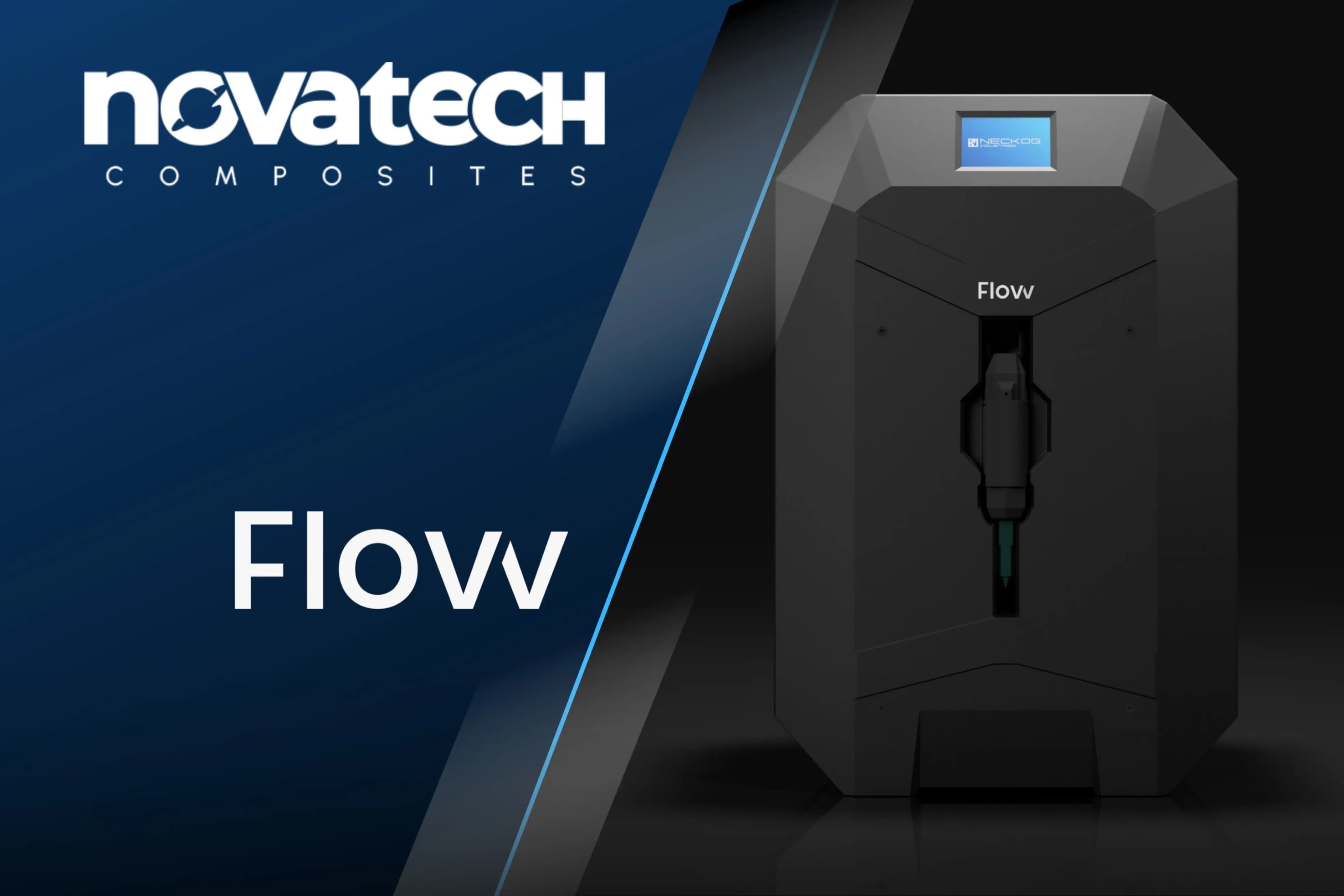
Flovv sits in the static-mix dispensing tier: a compact, low-pressure two-part liquid resin and polyurethane casting machine for prototyping and low-to-medium volume. It meters A and B precisely and mixes them in a static nozzle for repeatable, low-bubble casts. It is a casting system for reactive two-part liquids — not a thermoplastic injection molding machine and not a 3D printer.
Tips for your first cast
- Use materials at the recommended temperature; cold material changes pot life and flow.
- Prepare the mold ahead of time and use a release agent if needed.
- Transfer the mix to the mold before the pot life ends.
- Replace the static mixing nozzle when the mix inside cures or when you switch material or color.
FAQ
What is the difference between casting and injection molding?
Polyurethane casting combines two reactive liquids that cure in a mold. Thermoplastic injection molding melts plastic pellets and injects them at high pressure into steel tooling — a different process for high-volume thermoplastic parts. See Flovv vs. thermoplastic injection molding.
Do I need a machine, or is hand mixing enough?
For occasional one-offs, hand mixing is enough. For repeated casts where consistency matters, a metering and mixing machine reduces ratio errors, bubbles, and waste. See Flovv vs. hand mixing.
Not sure which material and hardness suit your application? Talk to our team. See also polyurethane resin casting and automated vs. manual resin casting.