Once you're past one-off prototypes and into small-batch production — tens or hundreds of parts that have to match — resin casting becomes a process question, not just a "can I make one?" question. Throughput, cost per part, and part-to-part consistency start to drive how you work. This guide looks at small-batch casting as a production run. (If you're still deciding whether to move off hand mixing at all, start with automated vs. manual resin casting.)
Batch sizing and pot life
The size of each pour is bounded by pot life: mix more than you can place before it starts to set and you waste material. Small-batch work is usually a rhythm of modest, repeatable pours rather than one big mix. Matching your batch size to the material's working time — and to how many molds you can fill in that window — is the first lever on throughput.
Cost per part, not just material cost
The sticker price of the resin is only part of the cost. For a real per-part figure, count:
- Material, including what's lost to off-ratio or partially mixed batches.
- Labor — weighing, mixing, degassing, cleanup — which scales with every part when done by hand.
- Rejects — parts scrapped for bubbles, soft cure, or short fills.
- Consumables — cups, sticks, mixing nozzles, release agent.
Across a batch, labor and rejects often matter more than the resin itself. Anything that makes the process more repeatable — a consistent ratio and a consistent mix — tends to lower the true cost per part by cutting rework.
Consistency across the run
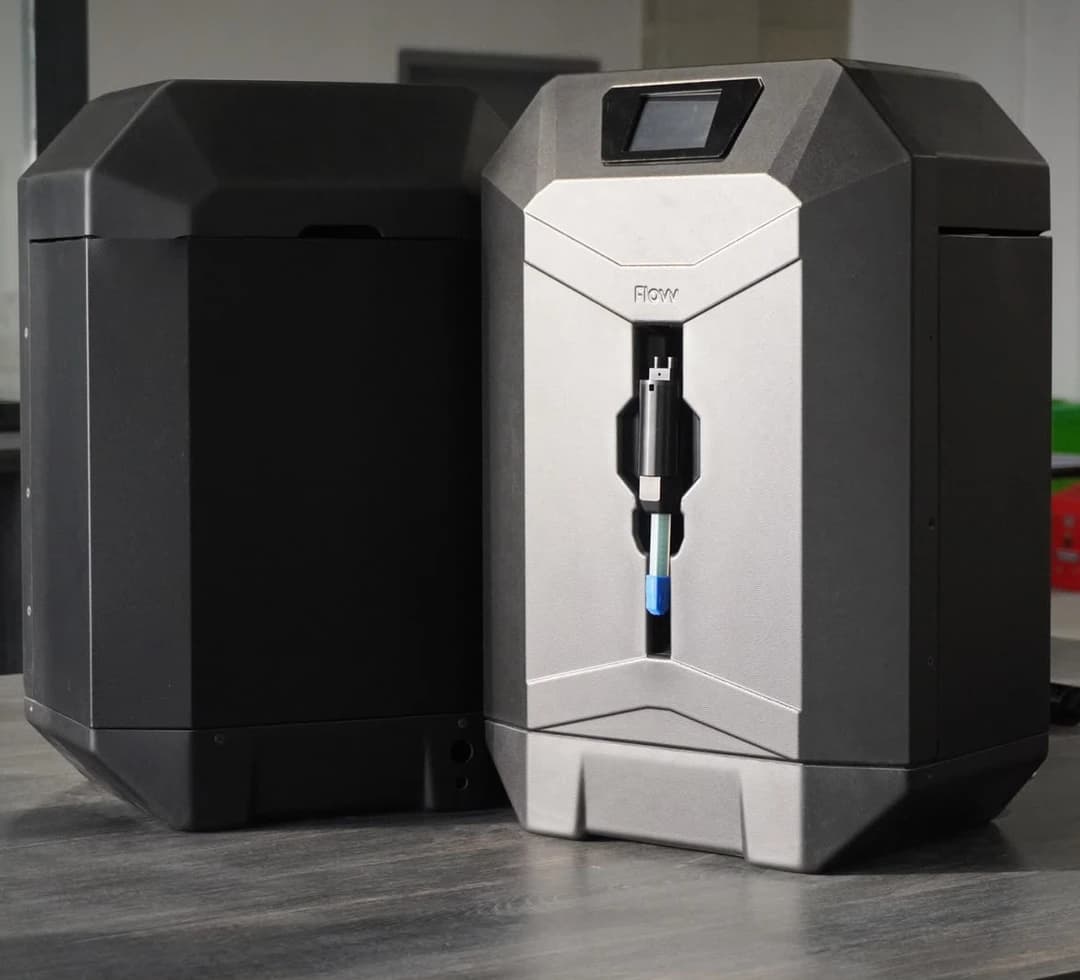
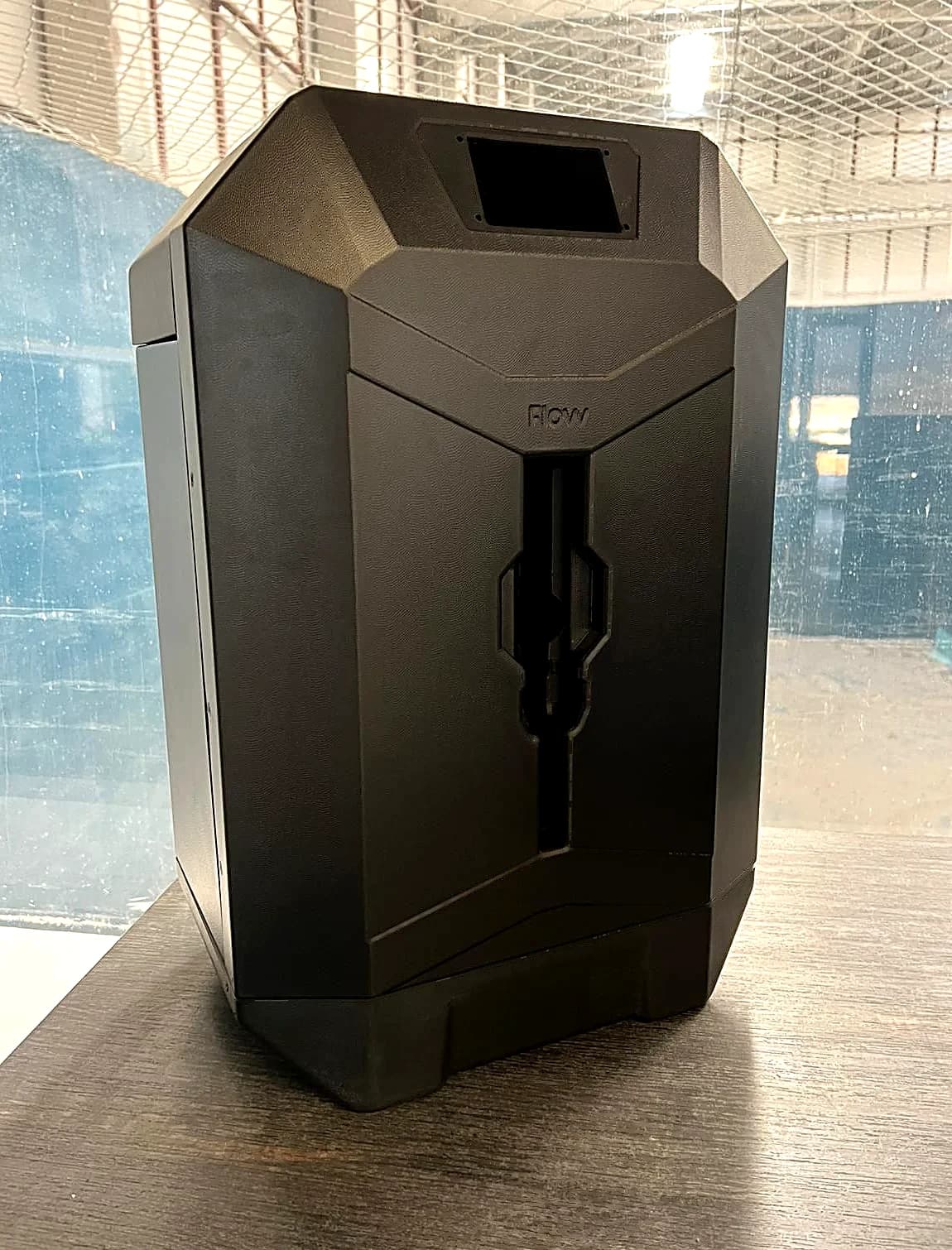
The defining requirement of a batch is that the parts match. Hand mixing varies cup to cup and operator to operator; a metering-and-mixing system holds the same ratio and blend on every shot, which is why Flovv and similar low-pressure dispensing systems suit small-batch work — they trade a bit of setup effort for repeatability across the run.
When a batch has outgrown the method
Small-batch casting has a ceiling. As volumes climb into the thousands, cycle time and tooling start to favor higher-throughput processes — including, for thermoplastics, injection molding. Knowing where your run sits on that curve helps you avoid both over-investing too early and grinding out a volume by hand that the method can't sustain.
FAQ
How many parts is "small batch"?
There's no fixed number — roughly tens to low hundreds of matching parts: above one-off prototyping, but below the volumes that justify hard tooling.
What's the biggest hidden cost in small-batch casting?
Usually labor and rejects, not the resin. Reducing ratio errors and rework lowers the real cost per part more than buying cheaper material.
When should I move beyond casting?
When volume and cycle-time demands consistently exceed what repeated casting can deliver — at that point higher-throughput processes start to win.
More: small-batch production, low-volume manufacturing, and Flovv vs. hand mixing.