Vacuum casting is the go-to for low-volume polyurethane parts: pour two-part resin into a silicone mold inside a vacuum chamber, and the vacuum pulls trapped air out for clean, detailed castings. It works — but the chamber, the degassing step, the silicone tooling, and the operator skill all add cost and time. If you're researching vacuum casting for a low-volume run, it's worth knowing where a simpler low-pressure two-part dispensing approach can cover the same ground, and where it can't.
What vacuum casting does well
Vacuum casting earns its place when parts need to be free of visible bubbles — especially clear or optically critical castings, deep pours, and fine surface detail. Pulling a vacuum on the mixed resin and the filled mold draws air out before the material cures. For short runs that sit between a one-off prototype and tooling-heavy injection molding, it's a proven bridge.
The cost and complexity it adds
- A vacuum chamber and pump, plus the bench space and maintenance they need.
- A separate degassing step on every batch, which eats into the resin's pot life.
- Silicone tooling that wears and has to be remade periodically.
- Operator skill — timing the degas, pour, and cure consistently takes practice.
Where low-pressure dispensing is a practical alternative
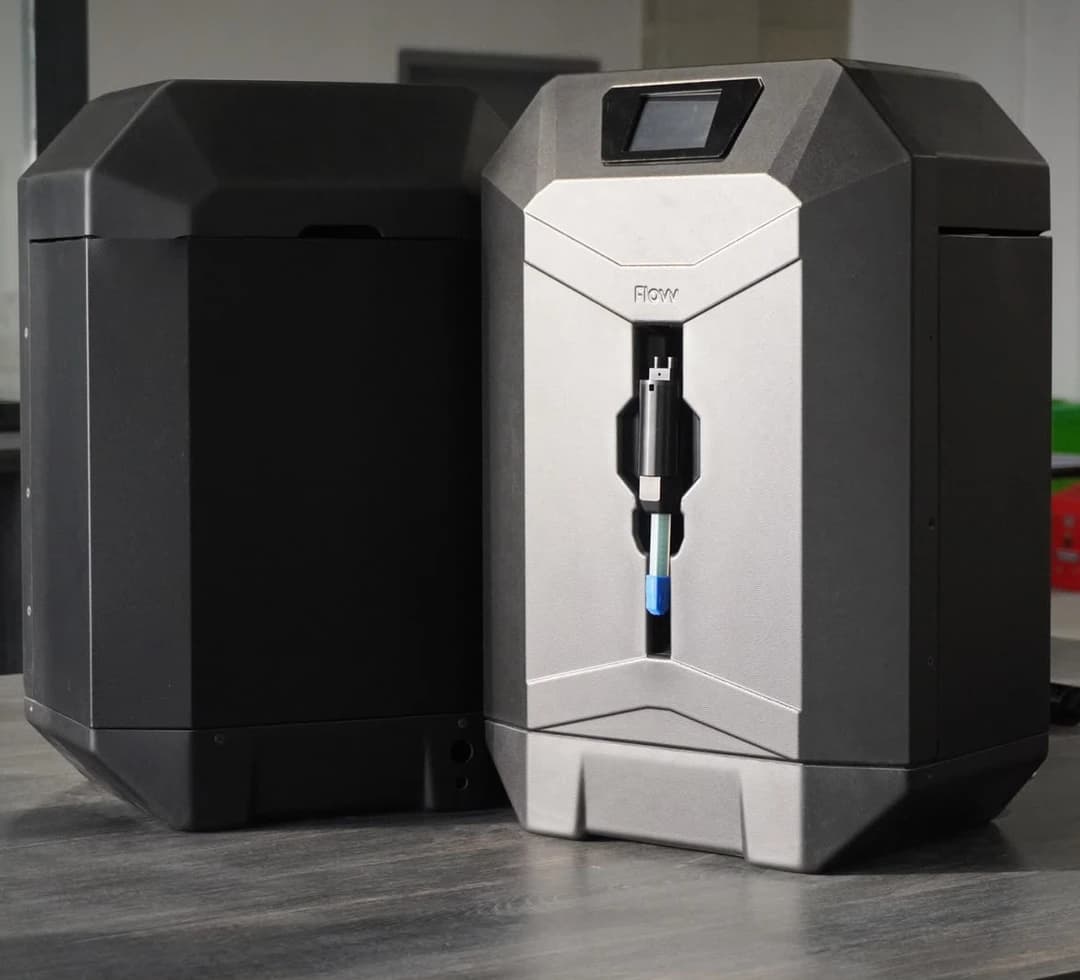
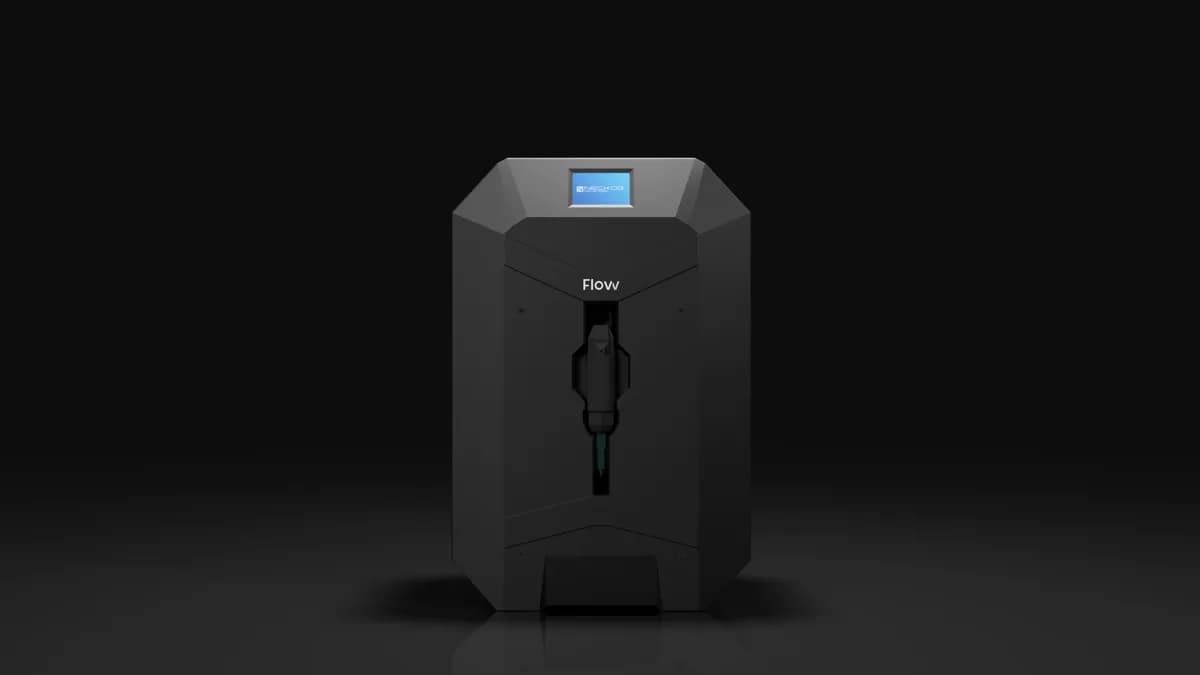
A two-part dispensing system like Flovv reaches consistency a different way: it meters Part A and Part B at a fixed ratio and blends them in a static mixing nozzle as it dispenses, so far less air is folded in than with hand stirring — and there's no separate weigh-and-mix step. For opaque, structural, or moderately detailed parts in repeated low-volume runs, that often produces clean, repeatable casts without standing over a vacuum chamber.
The honest trade-off: in-line mixing reduces trapped air; it doesn't replace vacuum for every part. Water-clear lenses, deep encapsulations, and the most detail-critical castings can still need a vacuum or pressure step. The two approaches also combine well — dispense with the machine, then degas the filled mold on the specific parts that demand it.
Which approach fits your parts
| If your parts are… | Best fit |
|---|---|
| Clear / optical / deep-pour, bubble-critical | Vacuum casting (or dispensing + vacuum) |
| Opaque / structural, repeated low-volume | Low-pressure two-part dispensing |
| One-off tests, tight budget | Hand mixing |
| High volume, thermoplastic parts | Injection molding |
FAQ
Can I get bubble-free clear parts without a vacuum?
Usually not reliably. In-line mixing reduces bubbles, but clear and deep-pour castings typically still benefit from vacuum or pressure. For opaque, structural parts, careful dispensing is often enough — see how to cast polyurethane with fewer bubbles.
Is dispensing faster than vacuum casting?
For repeated runs, often yes — there's no separate weigh-and-degas step on each batch. For a single bubble-critical part, vacuum may still be the right call.
Can I use both?
Yes. Many shops dispense to fill the mold and reserve vacuum for the specific parts that need it.
More: low-volume manufacturing, automated vs. manual resin casting, and Flovv vs. thermoplastic injection molding.